Santosh
About Me Archive Photos Bookshelf Blogs I Visit Search Stats Also on Micro.blog
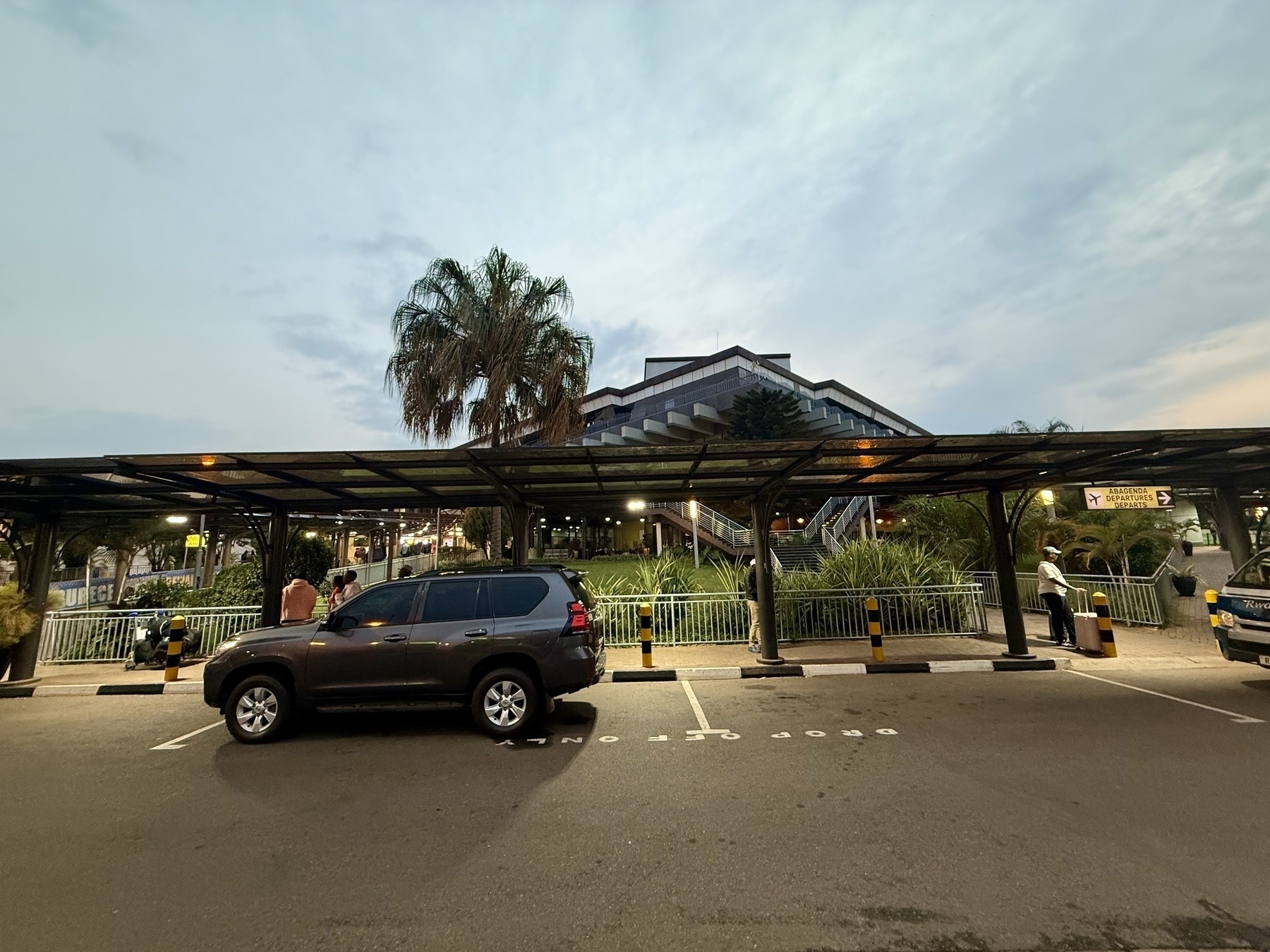
  • The Destroyer of Bird Nests

    → 6:53 AM, May 22
    Also on Bluesky
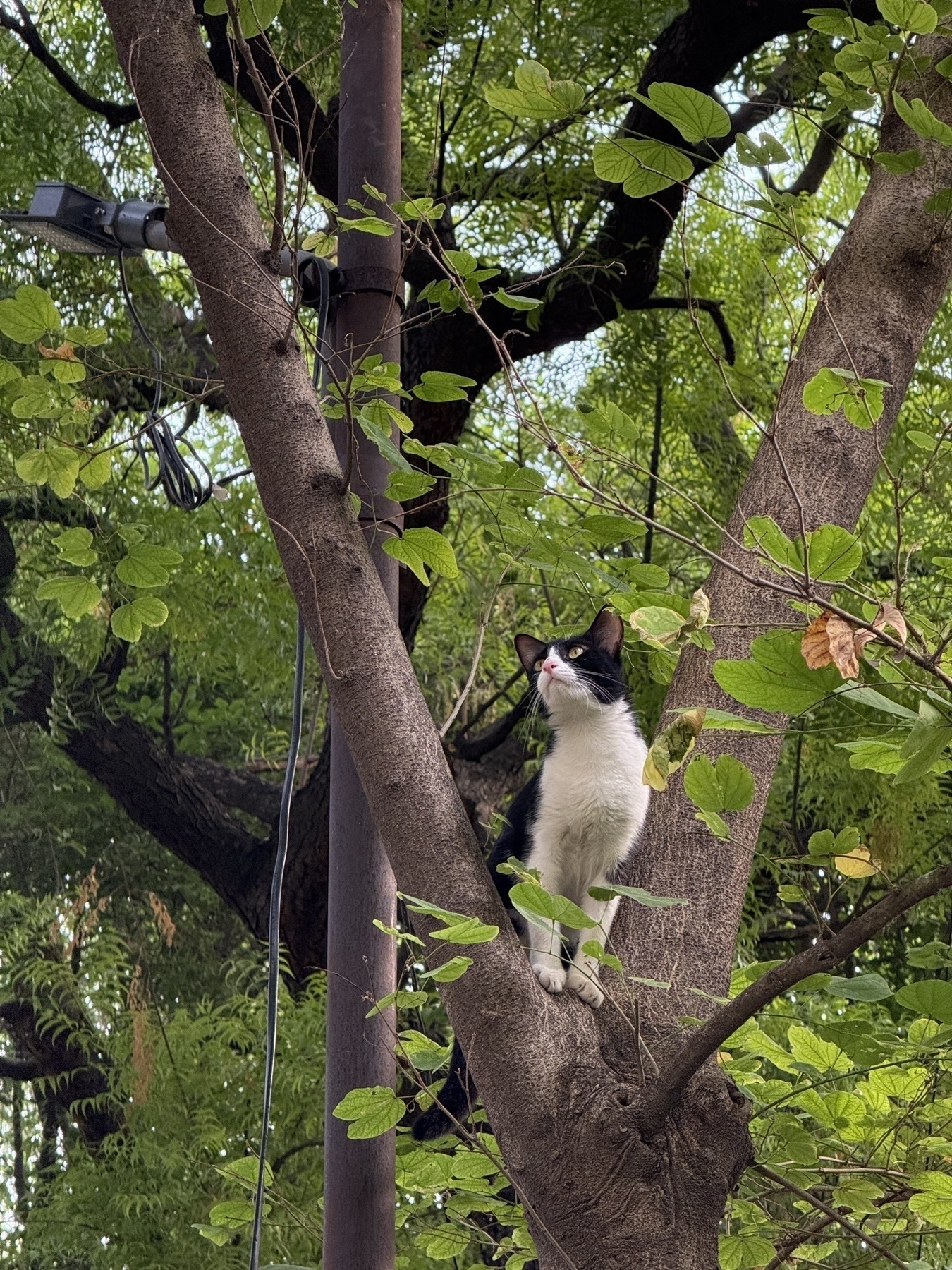
  • The Sentinel

    → 6:57 PM, May 18
    Also on Bluesky
  • Hidden drivers of our careers: Curiosity, Conviction and serendipity

    Over the last 5–7 years, I’ve found myself in many conversations with young colleagues, students, and friends — often during moments of transition or uncertainty as they reach out for guidance on certifications, referrals, or help in framing a career pivot. But as these conversations unfold, a deeper pattern emerges. Many are setting goals based on what’s visible, popular, or endorsed by the loudest voices — not what truly fits their temperament, values, or long-term aspirations. They’re choosing paths that sound impressive but feel increasingly hollow as they walk on that path.

    In their urgency to “build a great career,” they often adopt generic advice — optimize for brand names, chase high-growth sectors, follow passion loosely defined — without realizing that these choices are quietly steering them in the opposite direction of the life they actually want. The tragedy isn’t that they’re lost — it’s that they think they’re on track, when in fact they’re sprinting down someone else’s path.

    As I observe my own journey and how I navigated (learnt from all the usual generic mistakes that most of us commit) some patterns and learnings emerged.

    Short-term optimization vs getting on a long term learning path

    One of the most widespread traps is short-term optimization — choosing a job primarily for its salary, title, or brand. It feels rational. After all, we are taught to maximize. But research — and my own lived experience — suggests something different: early-career learning environments are a far stronger predictor of long-term success than anything else.

    I learned this first-hand. I made a career pivot by moving away from hardcore commodity traders job to being a research associate at an academic institution, I didn’t have the flashiest role or the highest pay, but I was working alongside some of the sharpest minds in development finance. They held me to high standards, exposed me to diverse challenges, and helped me build what Cal Newport would later call “career capital” — rare and valuable skills that quietly increase your bargaining power over time.

    While it was more of an impulsive decisions and realization that I wanted my work life to be in sync with my values and my craving for learning, this decision did wonders for me. But at that point of time, no-one backed my decisions as this was against most of the established templates: a massive salary cut; moving from a permanent role to a contractual role; and moving from a coveted brand name to an institution that was fledgeling research institution at that point of time.

    Reactive vs Intentional Career Choices

    Another subtle but significant pattern I see is reactivity. Most people don’t choose careers. The careers that they are coveting for are shaped by family expectations, peer pressure, market trends, or mimetic desires (the unconscious imitation of others’ ambitions).

    I made that mistake too. My first job was the best offer on the table and I wanted to get that because it was the most coveted offer. But once I stepped into it, I realized how little it resonated with who I was. I had ignored the quieter signals: what kind of problems excited me, what kind of team I wanted to be around, what kind of life I would lead if I continue to be in this role.

    Being an introvert who spent all his free time reading and reflecting I was getting to know myself and my thought process better. Now, I strongly believe that Intentional career choices come from self-awareness — an evolving understanding of your values, temperament, and curiosities.

    Which brings up a connected point: most of us don’t choose our peer group or mentors. We inherit them. And while many mentors mean well, they may unconsciously project their own nostalgia — urging you to follow the path that worked for them, not the one that works for you.

    The Role of Serendipity

    There’s one more thing we often underestimate: the role of chance. We’re conditioned to think of careers as linear — choose the right degree, get the right internship, and get the right company…. But the real world doesn’t work like that. Careers unfold through serendipity — unexpected encounters, side projects, failed applications that open surprising doors. (The switch from a commodity trader to a researcher was made possible only because the research project for which I had applied expected the applicant to have deeper understanding of commodity trade!)

    John Krumboltz’s Planned Happenstance Learning theory suggests that the most ‘successful professionals’ don’t follow rigid plans — they follow curiosity. They are open to small experiments (one of the experiments that I tried early in my career was to learn coding and started a blog-both had no objectives and just were driven by curiosity but blogging led me to know many fellow bloggers and exceptional individuals who just expanded exposure and learning), stay open to surprise, and treat uncertainty not as a threat but as terrain to explore.

    Some of the most pivotal turns in my career — working with some of coveted global institutions did not come from a master plan, but from being open to (and paying attention to) what emerged when I followed the work that felt meaningful, even if it didn’t fit an established template.

    → 3:04 PM, May 17
    Also on Bluesky
  • In my college days (1990s) dreamed of becoming a journalist. I dropped that idea, but sometimes I wonder if it was the right call—especially seeing the poor quality of reporting and farcical stories that pass for journalism today.

    → 5:15 PM, May 11
    Also on Bluesky
  • The flagstaff tower, Delhi

    → 5:44 PM, May 4
    Also on Bluesky
  • Finished reading: The Final Curtain by Keigo Higashino 📚

    → 5:04 PM, May 1
    Also on Bluesky
  • When there is too much to say and ventilate, it becomes difficult to say anything!

    → 9:26 PM, Apr 25
    Also on Bluesky
  • The colors of spring from our garden

    → 7:28 AM, Apr 8
    Also on Bluesky
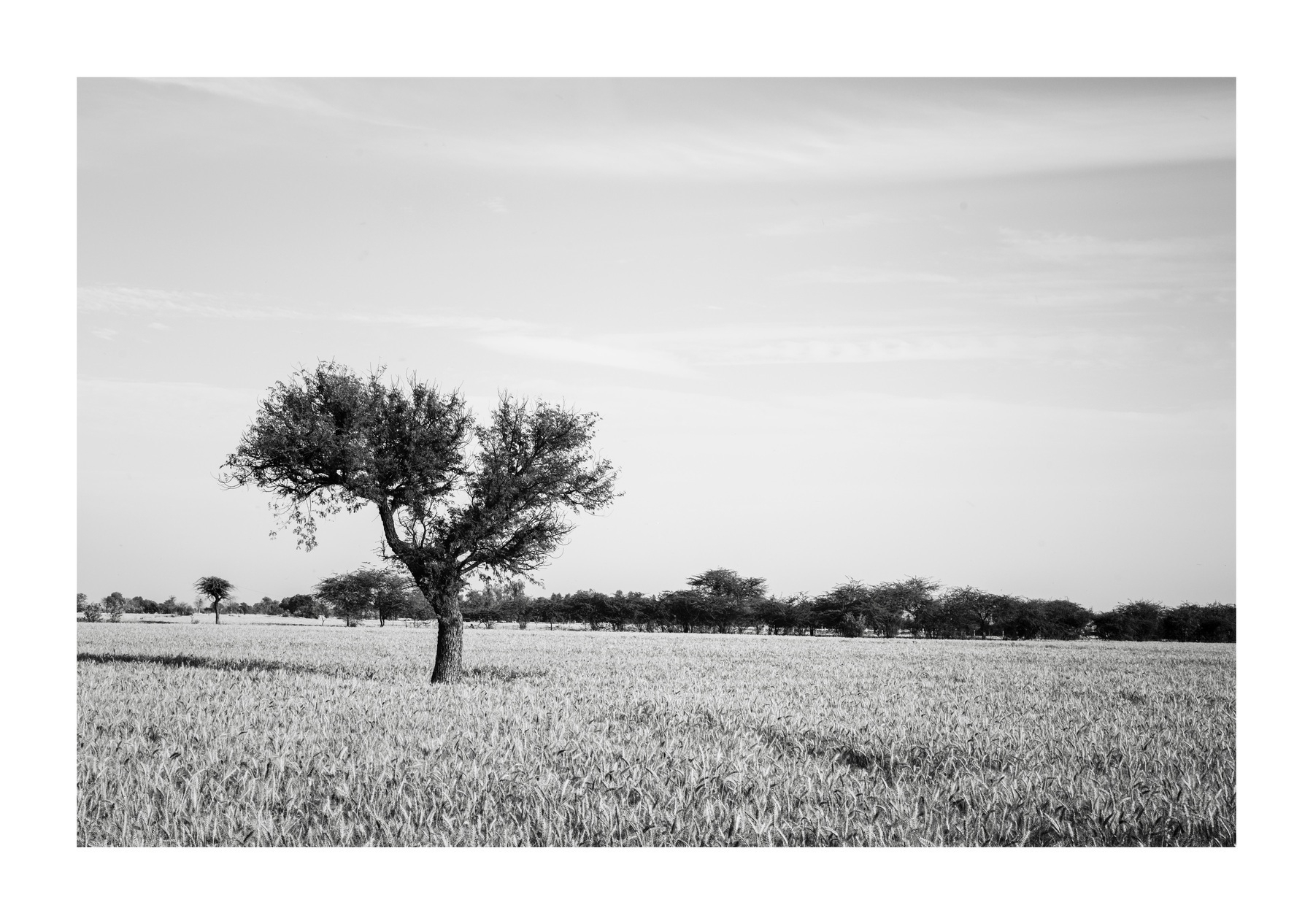
  • The flame of forest - Palash 

    20250330 Badhkal 15.

    → 3:59 PM, Mar 31
    Also on Bluesky
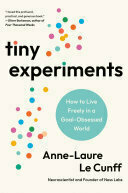
  • Finished reading: Tiny Experiments by Anne-Laure Le Cunff 📚

    → 3:06 PM, Mar 26
    Also on Bluesky
  • The systemic destruction of ecosystem that supports climate action and research is happening at its happening at unprecedented speed. Soon we need to really think of how we are going to build an ecosystem that is not dependent on whims and fancy of some individuals.

    apnews.com/article/n…

    → 11:23 AM, Mar 15
  • Reminiscing our GIZ days

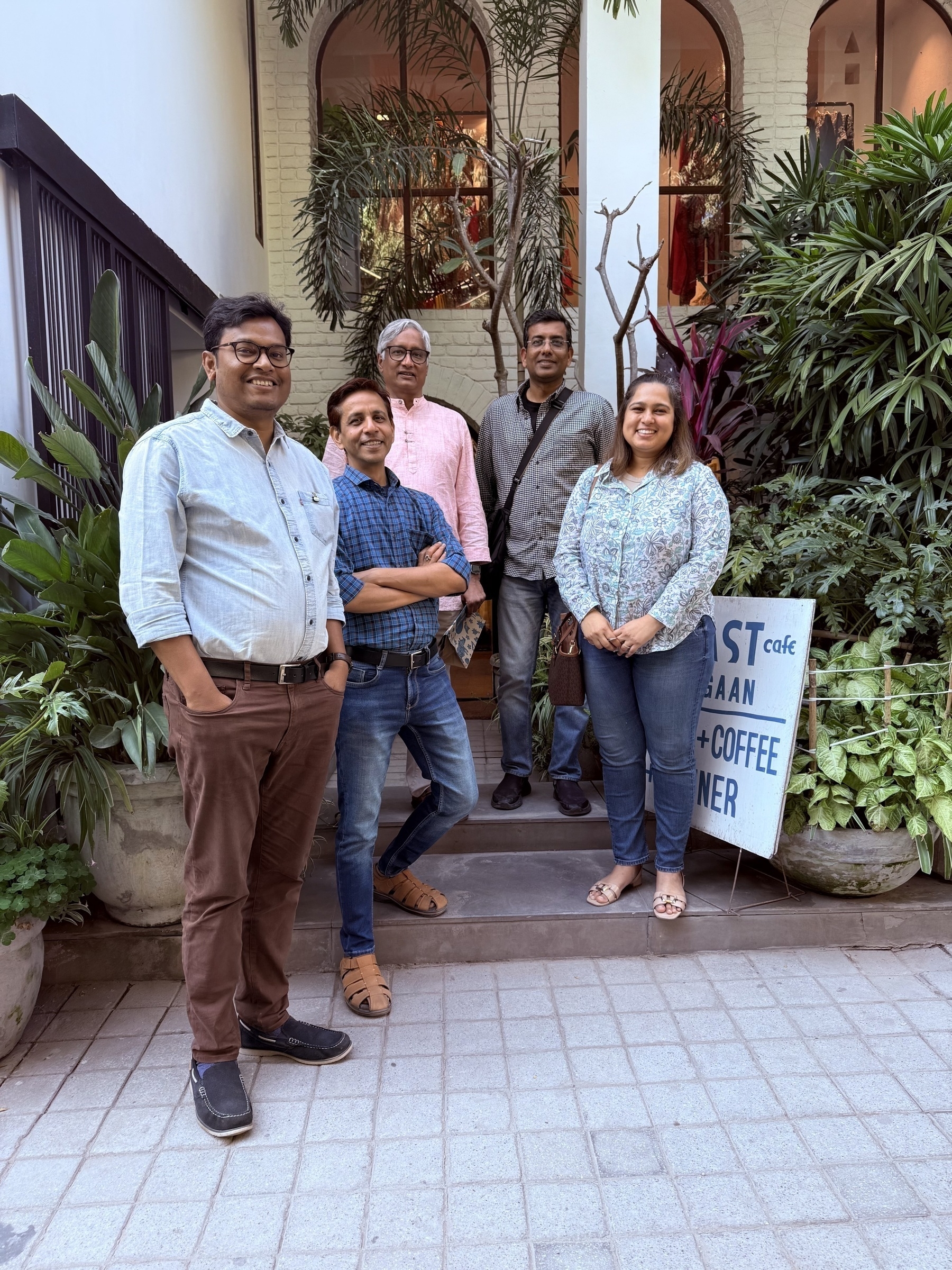
    It has been over 12 years since I moved to Delhi to join GIZ’s Renewable Energy team. Leaving IFMR in Chennai for a short-term project at GIZ—one that was set to end in just eight months—was a significant decision. I took the leap with the hope that a second phase of the project would extend our time at GIZ, and fortunately, I ended up working there for nearly three years. It turned out to be a professionally enriching and transformative experience.

    Today, I had the pleasure of reconnecting with some old colleagues and meeting new ones who are now part of the same programs we once worked on. The best part of our GIZ journey is that all of us continue to contribute to energy transition and climate solutions in different capacities. No matter where we are, our paths keep crossing, reinforcing the strong professional network we built during our time at GIZ.

    → 7:07 PM, Mar 8
    Also on Bluesky
  • Transforming Agriculture in the Global South – The South-South Agriculture Alliance

    At Sankalp Forum Nairobi with Agtechs

    I strongly believe that innovative AgTechs can address some of the most pressing problems of the smallholder farmers and small producers. India has been a hub of AgTech innovation and several solutions that have proven themselves in India are now looking to take their solutions to other global south countries.

    As part of South South Agriculture Alliance (SSAGA) we are working on innovation and technology transfer across the global south with aim to transform agriculture for the small producers and small farmers. The first cohort of our SSAGA entrepreneurs are already forging their partnership in the Africa region.

    It is a pleasure to work with these exciting companies and host them at Sankalp Forum at Nairobi. Watch out for these firms..

    WRMS – Innovative insurance products for climate risk facded by the smallholder farmers.

    WhrrL – A wharehouse receipt based loan for smallholder farmers that is leveraging blockchain to for building trust and transparency for the lenders

    SatSure – Crop yield-management, monitoring and agriculture advisory to farmers using deep-tech (satellite remote sensing, machine learning and AI)

    ScaNxt – Affordable soil-testing and other solutions for smallholder farmers

    Prompt Innovations – Affordable and sustainable milk chilling solutions for small milk producers.

    → 12:32 PM, Mar 1
  • A Visit to Kigali Genocide Memorial

    As I walked out of the Kigali Genocide Memorial, after a harrowing half-hour inside, there was only one thought in my mind: How could anyone be so callous, savage, and brutal? Is it even possible for a human being to reach such depths of cruelty?

    The Kigali Genocide Memorial

    Before my first trip to Kigali, I had read about the genocide online and was familiar with it in an academic sense. It was another genocide among the many caused by the greed for power, money, or the vanity of racial supremacy. But I never anticipated that visiting the memorial would be so shocking and devastating to my sanity. I also saw something that warned me that genocides are not a thing of the past.

    Genocides are an abominable manifestation of the extreme forms of our prejudices and discriminations. We all have our preferences, affiliations, and stereotypes, on which we build our “us vs. them” model. But when these prejudices and discriminations distort our thinking and erode our humane values to the point where we start dehumanizing others, we become genocidal. There is no other explanation for a friend killing another childhood friend with a machete in the most brutal way, without any remorse. Humans are biologically wired to empathize with babies and children, even strangers and animals. Yet, in a genocide, they decide to kill these small children, ignoring their pleas and pain. Hands that once held these children in their laps were slashing their throats in front of their helpless parents.

    The most devastating part was walking into the Children’s Room’ – a room dedicated to the children who were killed in the genocide. The room was filled with photos of happy children’s faces, given by their surviving relatives (in most cases, few remained). Details written below each photograph told us about their likes and dislikes and what their lives were like before they became victims of the genocide. I had braced myself to enter the room, despite my fear of not being able to cope with what I would find there. But I think it was impossible for any father in that room not to be engulfed by emotional turmoil.

    Inside the memorial, photography and videography were not allowed. However, there were some truly educational and thought-provoking infographics and posters. I asked permission, my voice betraying the emotional turmoil of a father emerging from the Children’s Room, and captured this picture.

    The graphic educates us about the typical playbook or stages of genocide. Sadly the graphic did suggest that we are not far from another genocide unless we start appreciating diversity and fight the propaganda .(Later, I researched the different factors leading to a genocide and found this article by Gregory Stanton to be a great resource).

    Apart from being a memorial for the unfortunate victims of the genocide, this memorial has another purpose: educating the public so that there are no more genocides. I think it surely contributes significantly to this goal. Most people who visit the memorial leave shaken, and I believe, more humane than they were before.

    → 3:46 PM, Feb 15
  • Afsanah Guest House, Auroville

    20250112 puducherry 021.

    → 10:19 PM, Feb 14
    Also on Bluesky
  • The more I speak to the young students I strongly believe that their understanding of climate change is not where it should be. And, most importantly they are not sure of what role they can play. They surely need to think beyond going plastic free and adopting electric bikes.

    → 4:55 PM, Feb 14
    Also on Bluesky
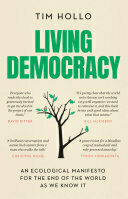
  • Currently reading: Living Democracy by Tim Hollo 📚

    → 10:15 PM, Feb 11
  • Finished reading: The Message by Ta-Nehisi Coates 📚

    → 11:12 AM, Feb 8
  • Finished reading: Invisible Helix by Keigo Higashino 📚

    → 11:11 AM, Feb 8
  • One of the cleanest cities in Africa: Kigali

    → 10:27 PM, Jan 26
  • Got a domain for my micro.blog. “ireflect.in”

    → 11:03 PM, Jan 23
  • What I read in 2024

    My reading goals used to be overly ambitious, leaving me frustrated at year’s end. I’d inevitably read less than I planned. But this year, I focusse more on engaged and slow reading than meeting my quantiative reading goals. I engaged more deeply with my books, becoming more selective, particularly with non-fiction. The books I chose lingered long after the final page, largely because they addressed questions that have become increasingly pressing as I navigate the, shall we say, defining stage of mid-life. These questions have shaken me up, prompting a re-evaluation of my priorities and preferences.

    This new approach meant I was quick to abandon books that didn’t resonate. I think that 10-15 books were left unfinished after reading just a small portion of them. Some, mostly non-fiction, weren’t inherently bad in terms of content, but they felt better suited to a blog post or essay rather than a full-length book. A quick glance at the chapter titles and blurbs revealed the core message, and if the writing didn’t elevate that message, I saw no reason to continue when a bookshelf full of carefully chosen books awaited their turn.

    The abandoned books weren’t necessarily poor reads; they simply failed to capture my attention. Some examples include:

    • Same As Ever: A Guide To What Never Changes by Morgan Housel
    • Give and Take: A Revolutionary Approach To Success by Adam Grant
    • Hidden Potential: The Science of Achieving Greater Things by Adam Grant
    • Supercommunicators: How to Unlock the Secret Language of Connection by Charles Duhigg
    • Slow Productivity by Cal Newport
    • Meditations for Mortals by Oliver Burkeman

    Interestingly, all these books are from authors whose previous work I’ve enjoyed, which is why they made it onto my list. They also fall, broadly speaking, into the self-help category, although Oliver Burkeman might object to this label. His book The Antidote: Happiness for People Who Can’t Stand Positive Thinking dissected popular self-help advice and challenged readers to think beyond conventional notions of success and achievement.

    So, what kind of books did engage me this year? The books that forced me to pause, close the cover, and truly contemplate their message. These books provided new contexts for existing questions and raised new ones altogether. Travis Rieder’s Catastrophe Ethics: How To Choose Well in a World of Tough Choices felt like an internal dialogue, prompting me to revisit my lifestyle choices and my individual response to climate change. It was the slowest read of the year, as I frequently stopped to examine familiar questions articulated in new and challenging ways, unraveling and reweaving the threads of my understanding.

    Another book that demanded careful perusal of each chapter was Jonathan Haidt’s The Righteous Mind: Why Good People Are Divided by Politics and Religion. Haidt masterfully lays the groundwork, providing ample context before addressing the central question presented in the title. His approach is both edifying and illuminating. I was motivated to read it this year by the New York Times review of this book (I had a couple of other books with similar themes on my list), and I am glad that I did. Both Catastrophe Ethics and The Righteous Mind are now my go-to recommendations. The former provides guidance on individual action in the face of the climate crisis, while the latter tackles the billion-dollar question of why political and religious divides persist. In fact, every non-fiction book I finished this year is well worth your time.

    While my fiction reading is typically dominated by crime fiction, this year I delved into more literary fiction and explored new authors. Two standouts were Sophie Ward’s Love and Other Thought Experiments and Durian Sukegawa’s Sweet Bean Paste. Though vastly different, both offered a delightful reading experience. The former is a philosophical exploration of “thought experiments” that transcends genre, while the latter is a poignant tale about the meaning of life and how to live it fully. The philosophy backgrounds of both authors shine through in their writing.

    Non-fiction 

    • Wanting – The Power of Mimetic Desire in Everyday Life by Luke Burgis
    • How Religion Evolved by Robin Dunbar
    • How to Know a Person- The Art of Seeing Others Deeply and Being Deeply Seen by David Brooks
    • Catastrophe Ethics – How to Choose Well in a World of Tough Choices by Travis Rieder
    • The Righteous Mind- Why Good People Are Divided by Politics and Religion by Jonathan Haidt

    Fiction

    • Orbital by Samantha Harvey
    • Sweet Bean Paste by Durian Sukegawa
    • Prophet Song by Paul Lynch
    • Love and Other Thought Experiments by Sophie Ward
    • Lone Wolf by Gregg Hurwitz
    • The Edge by David Baldacci
    • The Secret by Lee Child
    • The Twist of a Knife by Anthony Horowitz
    • To Die For by David Baldacci
    → 8:34 PM, Jan 17
    Also on Bluesky
  • https://www.flickr.com/year-in-review/2024/ Some really interesting highlights from the photography world. Flickr is surely no longer what it used to be 15 years back but I am still there. for nostalgia and ease of your photos getting seamlessly backed up from any device to cloud.

    → 10:21 AM, Jan 17
    Also on Bluesky
  • Auroville truly showcases what we can achieve when we believe in the power of community, purposeful living, and harmony with nature. Our visit to the Auroville Botanical Garden was inspiring. Auroville community has restored a barren land into an absolutely mesmerizing landscape.

    → 9:43 PM, Jan 16
    Also on Bluesky
  • Staying present, watching the world around me!

    → 8:03 PM, Jan 14
    Also on Bluesky
← Newer Posts Page 3 of 14 Older Posts →
  • RSS
  • JSON Feed